
What's the difference between a manor house and a château?
In the collective imagination, castles and manor houses are often confused, evoking images of grandeur, nobility and wealth. However, these two types of residence, while similar in some respects, have distinct characteristics and uses that make them unique. This article explores the fundamental differences between a manor house and a château, and why this distinction is important.
Definitions and their origins
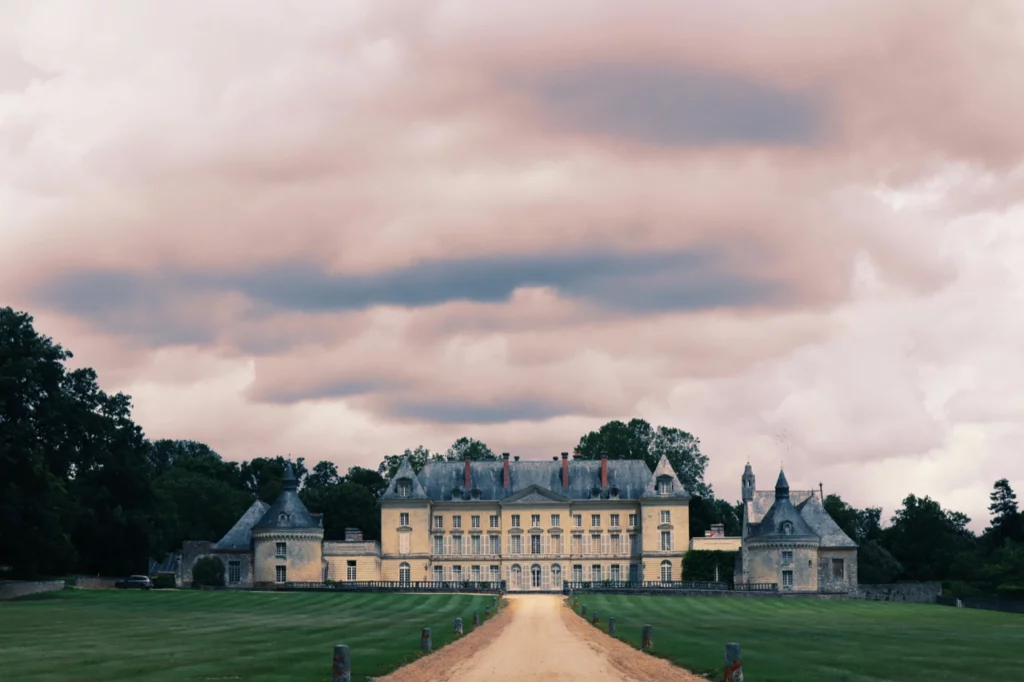
A castle is a large fortress built primarily for defense. Historically, castles served as fortified residences for nobility and lords, also playing a crucial role as administrative and judicial centers. In contrast, a manor house is a more modest country residence, designed primarily for the comfort and habitation of rural nobles. Manors often have more recent origins than castles, and are associated with the management of the surrounding farmland.
Different architectural features and characteristics
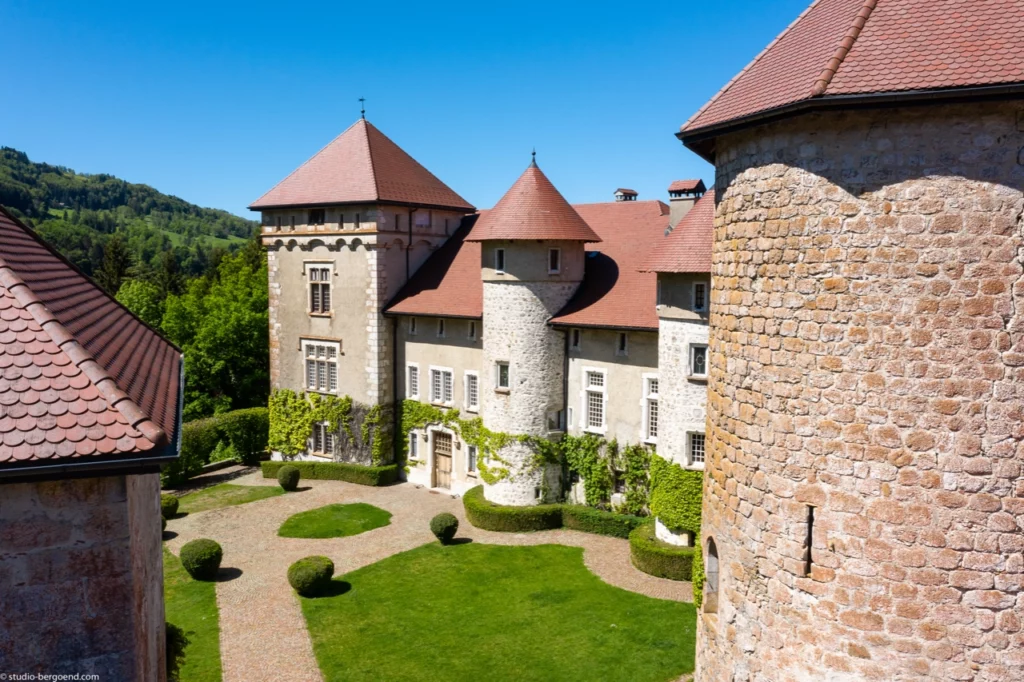
Castles are imposing structures with thick walls and numerous towers. They are generally built of stone, a very robust material that guarantees their durability. Castles have defensive features such as moats, loopholes, battlements and drawbridges, enabling them to resist attack. Famous examples include Château de Chambord, Château de Thorens in France and Château de Neuschwanstein in Germany.
Manor houses, on the other hand, are smaller and less fortified than castles. They are often built of stone or brick, and their design is more oriented towards comfort and aesthetics. Manor houses are generally surrounded by gardens, and feature large reception rooms and luxurious interiors. Famous examples of manor houses include Manoir de Longecourt and Manoir d'Eyrignac in France.
Their functions and uses
Castles were primarily used for military and defensive purposes. They protected their occupants from attack and were the seat of local power. Castles also played an important administrative and judicial role, often being the center of governance and justice for a region.
Manor houses, on the other hand, were mainly country residences for the rural nobility. They served as management centers for estates and farmland. In addition to their residential functions, manor houses were often used for receptions and leisure activities, such as parties, hunting and other social events.
Where were they located and in what environment?
Castles were often located on high ground, chosen for their strategic defensive position. They were surrounded by fortifications, such as walls, towers and moats, to reinforce their defense.
Manor houses, on the other hand, were located in rural areas, surrounded by farmland. They were less isolated than châteaux and more integrated into the natural environment, often surrounded by gardens and parks.
In everyday life and culture
Daily life in the castles was dominated by the management of military and administrative affairs. Important events such as banquets, councils of war and royal visits were frequent.
In manor houses, daily life focused on land management and the social life of the nobility. Agricultural and social activities such as hunting, gardening and entertaining were commonplace.
Meaning and modern perception
Today, castles and manor houses are often seen as symbols of historical and cultural heritage. They attract many tourists and history buffs. In popular culture, these structures are frequently depicted in films, TV series and literature, fuelling our fascination with medieval and renaissance times.
Today, it's difficult to understand the real difference, as castles have lost their primary function, namely their military role. Little by little, they adopted the same purpose as manor houses: to serve as luxury residences.
To conclude
In short, although castles and manor houses are often confused, they have distinct characteristics. Castles, built primarily for defense, are imposing fortresses that served as seats of power. Manors, on the other hand, are more modest and comfortable residences, designed for the daily life of rural nobility. These distinctions help us to better understand the history and architecture of our cultural heritage.
When you visit a manor house or castle, you'll be immersed in a world rich in history and culture.
